

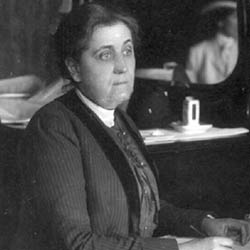
Because, as she explained, it is so easy and customary to regard advocates of peace as visionary, idealistic and "up in the clouds," Miss Jane Addams yesterday reviewed the efforts of governments themselves, and, as she said, of hard-headed and hard-boiled politicians, in the direction of world organization and warlessness.
The distinguished Chicago woman, veteran of many a battle in the cause of underprivileged and unfortunate humanity, addressed 4,000 men at the World Men's Council meeting in Convention Hall. She received an enthusiastic ovation.
"Before the war," Miss Addams said, "we used to say peace was coming in three different directions, from judicial, legislative and executive channels.
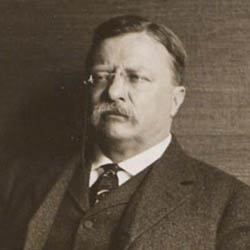
"The Hague court for conciliation and arbitration, established in 1899 and called upon by President Roosevelt to settle successfully the Mexican 'pious land" case, established the judicial analogy. In the fifteen years after this case was settled sixty-four other difficulties between nations were adjudicated and we believed the world would get into the habit of taking international affairs to this court and that wars would cease, in time.
"Legislative development came in the Interparliamentary Union composed of members of congresses and parliaments from all constitutional governments. The English law against the manufacture of matches by the use of poisonous yellow [sulfur], for example, became a world policy for humanitarian betterment through this union.
"The third analogy in the executive department was coming through international commissions dealing with health, banking, shipping and many other concerns. The Universal Postal Union is an example."
Enlarging upon each of these three departments, Miss Addams told stories, gave illustrations. These institutions in part were responsible for a world disgust of war even when the World War burst upon us, she said. The phrase of "the war to end war" was the only thing that kept the heart of the people behind pursuit of the fight.
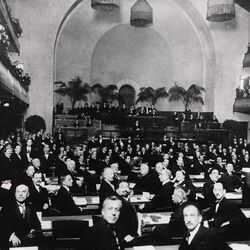
"And since that tragedy," she said, "we have had the League of Nations and the world court. The former was organized in response to that remorse which fills the hearts of men after every great war when they lift their trembling hands to high heaven and say 'never again.'
"Fifty-seven nations now adhere to the League, and whether the United States ever joins it or not, it is a going concern of great force in the world and --"
Applause interrupted the conclusion of this remark.
"We can be grateful to our secretary of state now," she continued, "that he is placing this nation back as a leader instead of a follower in the cause for peace. The work must be done before the present generation that remembers the horrors and uselessness of the World War, pass on.
"Of course we see another secretary in our cabinet calling for a bigger navy. The country is divided in opinion.
"It is hard for the thought of man to keep pace with his age, and to go ahead. We have those with us today who refuse to think ahead. But the day is coming when, just as in medieval times private war lords were forced to let the governments only determine when wars should rage, nations shall let international forces determine whether there shall be bloodshed."
More applause.




Comments