Help
Advanced Search
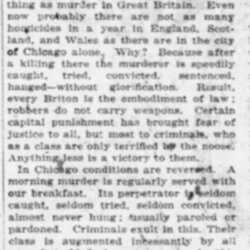
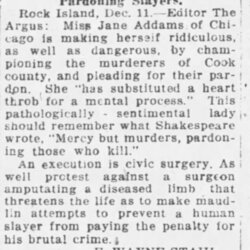
CrimeCrime EnforcementCriticismEngland
CrimeCrime EnforcementCriticism
Anti-radicalismCivil RightsCrime EnforcementGovernmentLaborPeaceSocialism
Civil libertiesCrime EnforcementPrisonsRequests
Crime EnforcementImmigrantsImmigrationPrisonsRussiaWritings
Crime EnforcementRequests
Crime EnforcementLectures
Crime EnforcementGovernmentRequestsSocial Justice
Crime EnforcementLecturesYouth
Anti-radicalismCrime EnforcementPolitics
ChicagoChild WelfareCrimeCrime EnforcementDisarmamentJuvenile DelinquencyLawLecturesPrisonsSocial Work
ChicagoChild WelfareCrime EnforcementDisarmamentJuvenile DelinquencyLawLecturesPrisonsSocial Work
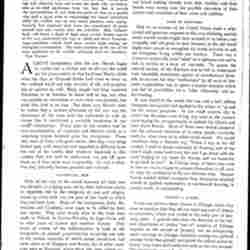
CrimeCrime Enforcement
Crime EnforcementGovernmentRequests
Crime Enforcement
Crime EnforcementCriticismMoralityYouth
Anti-radicalismCrime EnforcementGovernmentImmigrantsRequests
Anti-radicalismCrime EnforcementGovernmentRequests
Civil RightsCrime EnforcementGovernmentRequests
AnarchismAnti-radicalismCourtsCrime EnforcementImmigrantsItalyLawUnited States
Anti-radicalismCrime EnforcementUnited States
Anti-radicalismCrime EnforcementImmigrantsInternational AffairsLawRequests
CourtsCrime EnforcementGovernmentRequestsSocial Justice
AnarchismCrime EnforcementFamilyHealth
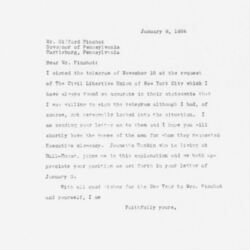
Crime EnforcementHull-HouseJournalism
Crime EnforcementForeign PolicyGovernmentRequests
Crime EnforcementRequestsSocial Justice
Crime EnforcementCriticismPublic Opinion
Anti-radicalismCrime EnforcementGovernment
Crime EnforcementGovernmentGratitudeSocial Justice
Crime EnforcementGovernmentSocial Justice
Crime EnforcementGovernmentGratitudeRequests
Crime EnforcementCriticism
Anti-radicalismCrime EnforcementCriticismGovernmentJournalism
Crime EnforcementSettlements
Civil libertiesCrime Enforcement
Crime EnforcementEthicsRequestsSettlements
CourtsCrime EnforcementCriticismForeign PolicyRequests
BelgiumCrime EnforcementRequestsWorld War I
Anti-radicalismBelgiumCrime EnforcementRequests
Crime EnforcementMembershipsRequests
ChicagoCrimeCrime EnforcementJournalismResearch
ChicagoCrimeCrime EnforcementDisarmamentDrugsHull-HouseImmigrantsJuvenile DelinquencyPolicePoliticsProhibitionProstitution
Child WelfareCrimeCrime EnforcementEducationInternational AffairsJuvenile DelinquencyLecturesPeacePsychologySocial ReformSocial WelfareTributes
Child WelfareChildrenCourtsCrimeCrime EnforcementDeathHuman TraffickingImmigrantsImmigrationJuvenile DelinquencyPolicePoliticsPovertyPrisonsProstitutionRaceRacism
Crime EnforcementGovernmentImmigrantsImmigrationLectures
Browse tags for all documents:
Export results to CSV,